Eric Ciocca
Game developer. Software engineer.
About
I've been making games professionally since 2002 — consoles, PC, mobile, AR, and online casino. My focus has always been on the craft underneath the experience: real-time networking, augmented reality, physics simulation, the tools and systems that make things feel alive.
I got into engineering because I love solving hard problems. I stayed in games because I believe interactive experiences are one of the most direct ways to reach people — to teach them something, change how they see the world, or just give them a few hours of genuine joy. Games can be art, argument, and education all at once. That conviction shapes the kind of work I'm drawn to.
I like working in teams, I like hard problems, and I like building things that mean something.
Notable Titles
Color BlastAR
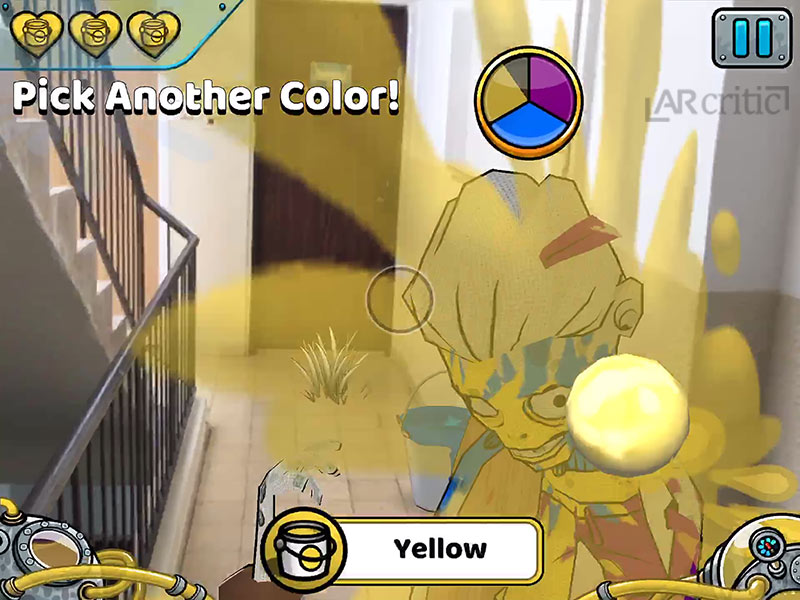

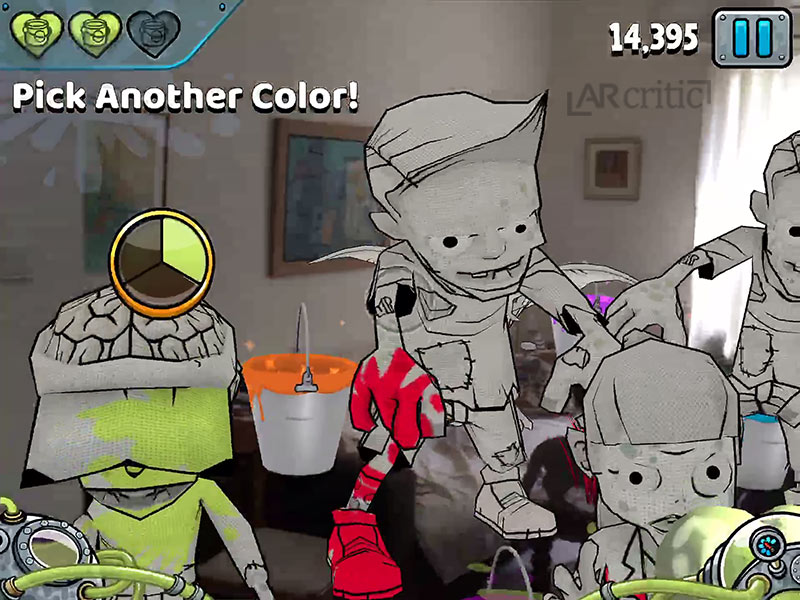
- I was programming lead on this first-person shooter built around Google's TANGO device — the game used 6DOF tracking so you physically moved through the AR space.
- We used the depth sensor and LIDAR to detect real-world obstacles and make them part of the gameplay environment.
- I then ported it to iOS as one of ARKit's launch titles, and again to ARCore for general Android. Each platform had its own tracking quirks to work around.
- Later added support for Lenovo's Mirage helmet and controllers.
Dragon Adventure: World Explorer


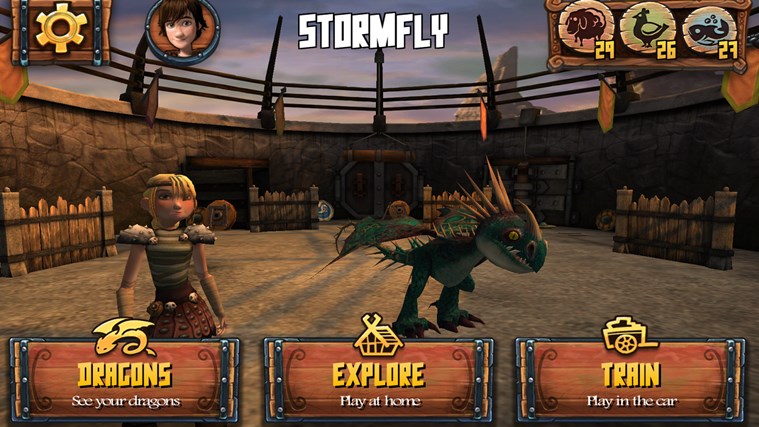
- Used Nokia's here.com maps to procedurally generate game levels based on the player's real-world location.
- Pulled social media data to surface interactive features at local landmarks.
- Cached generated level data to AWS so repeat visits resolved quickly.
Fate: Undiscovered Realms


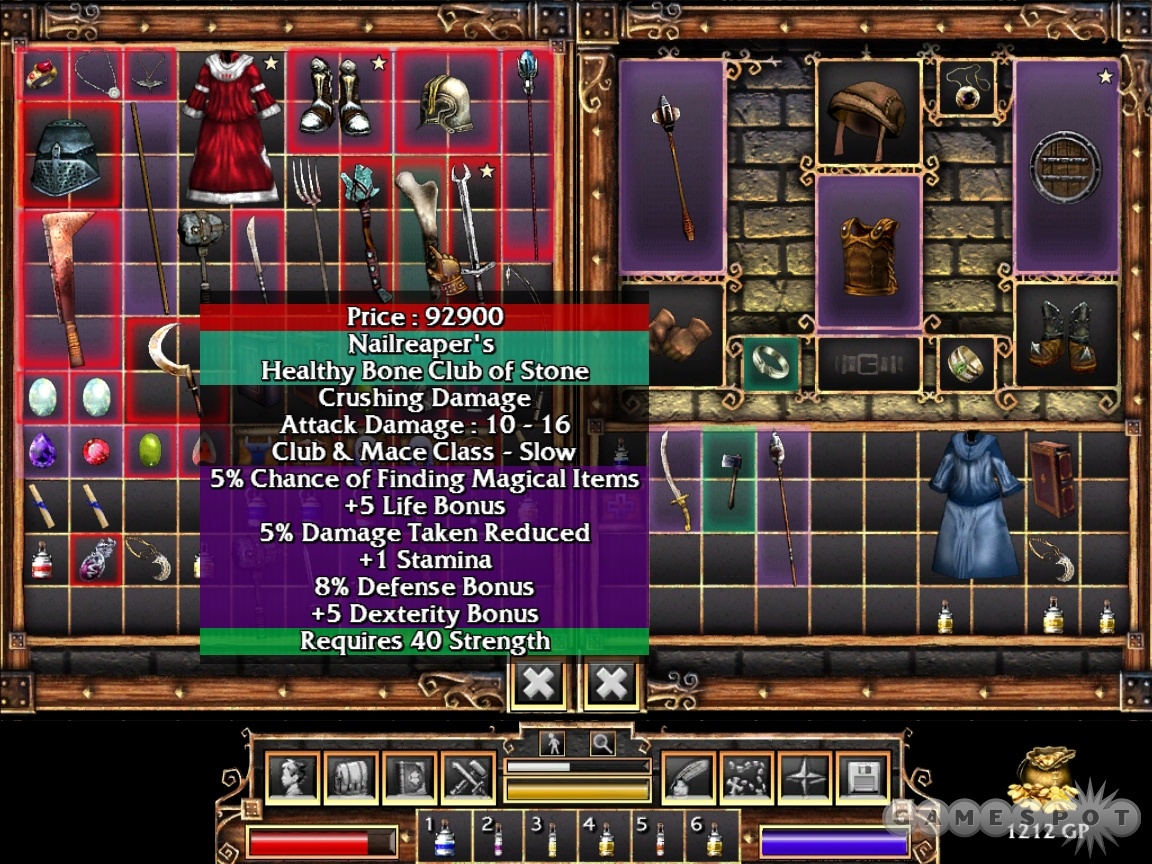
- I worked on three sequels in the Fate series — Undiscovered Realms, The Cursed King, and The Traitor Soul.
- Rearchitected the dungeon system to support multiple themed environments instead of a single dungeon type.
- Built a content pipeline so artists and community members could add new assets without touching code.
Playboy: The Mansion


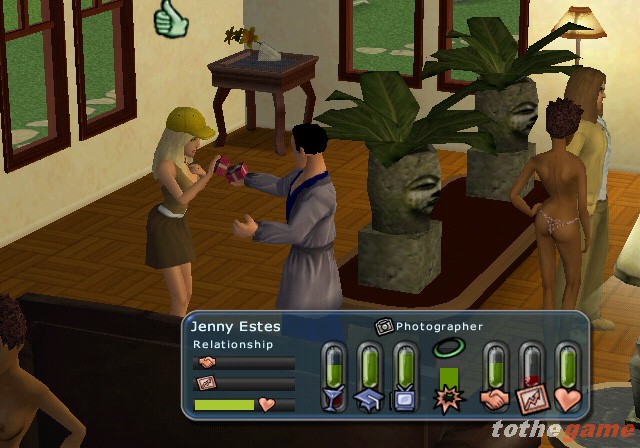
- Worked on gameplay, model placement, and the character conversation system.
- One interesting problem: designing a photo-shoot image storage system that had to scale gracefully across three very different storage environments — PS2 had almost nothing, Xbox had a little, PC was unlimited.
- Integrated Xbox Live Aware SDK for the Xbox version.
Marooned 2
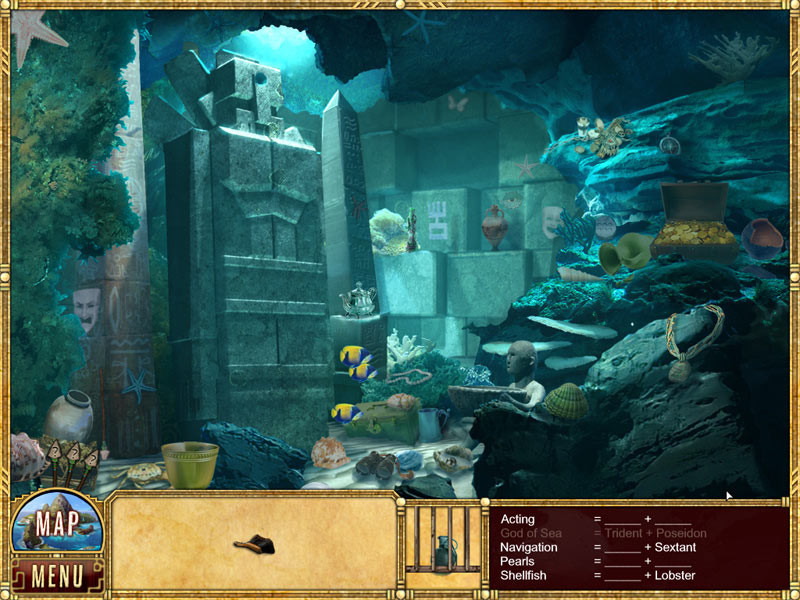
- Casual strategy game developed at HitPoint Studios.
Risk: Global Domination


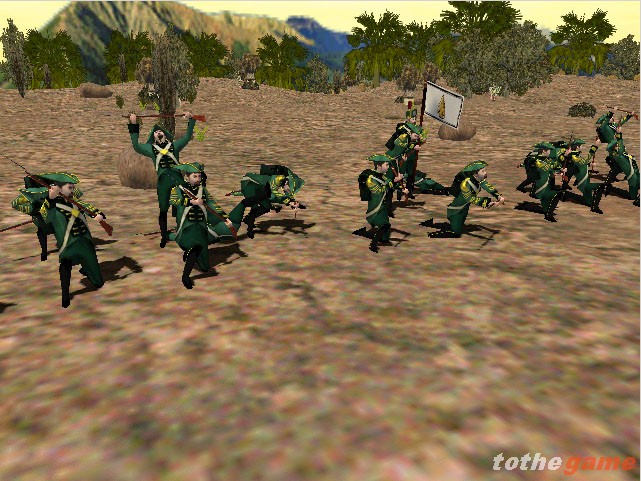

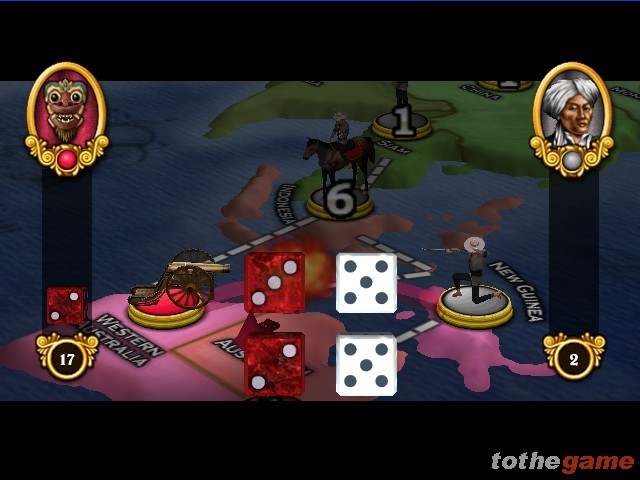
- Worked on UI, 3D model animation, and the full online multiplayer system.
- Network play used a peer-to-peer model via GameSpy's Peer SDK and the SNSystems NDK — this was early-era online PS2, which had its share of interesting constraints.
- Also integrated voice chat via Logitech USB headsets and GameSpy's Voice SDK.
Work
I manage client software engineering at Penn Gaming — the user-facing side of web-based casino games: slots, cards, roulette, all connecting to a real-money wallet. I'm one of the contributors to our internal Slots Framework, a shared toolkit that keeps common functionality consistent across games, and I've helped develop a Universal UI framework to maintain a consistent user experience across titles. A lot of the challenge is making games feel responsive and engaging across a huge range of devices and network conditions.
Nine years building AR and mobile experiences for clients ranging from Niantic and Disney to Hasbro and a Las Vegas casino. The throughline was always real-time interactivity — networking, device sensors, camera tracking, physics. I built the HART SDK here, an internal Unity abstraction layer that let us target ARKit, ARCore, Wikitude, Vuforia, and 8thWall from a single codebase. Clients included Crayola, Warner Bros., PopCap/EA, Caesars/LINQ, Nokia/Dreamworks, and Universal Kids, among others.
Casual PC game development for clients including iWin and WildTangent. I ported a sprite-based renderer to Direct3D surfaces for hardware acceleration, and built a particle system with realistic physical parameters for weather and explosion effects.
A couple of projects with Ian Bogost. One involved integrating an Atari 2600 emulator into the PC port of A Slow Year, a BAFTA-nominated experimental game originally written in 6502 assembly. The other was Snowglobe Simulator for iPhone — a physics sim that modeled snowglobe behavior using the accelerometer and OpenGL ES.
Managed code integration on a cross-platform (macOS, Linux, Windows) fork of the Second Life viewer, merging upstream changes from Linden Labs into a proprietary client.
Built the Prometheus Sales Training Simulator — a Gamebryo-based platform that modeled real big-box retail environments with dynamic inventory, configurable store layouts, and interactive customers for employee training scenarios. I also built the MFC tooling that let non-programmers script customer interactions in a flowchart-style interface.
My first studio job — console game development on Windows, PS2, and Xbox. I worked on Risk: Global Domination, Playboy: The Mansion, and consulted on online multiplayer for Godzilla: Save the Earth. This is where I learned peer-to-peer networking, voice chat, platform SDKs, and the reality of shipping on hardware with very real memory limits.
Tools & Technologies
Education
- Thesis: Application-Level Fault Tolerance and Detection (ALFTD)
- ARTS Architecture and Real-Time Lab — Research & Teaching Assistant
- Minors in Ancient Literature & Languages and Philosophy — not a detour, a foundation
- Braun-Lengyel Fellowship Award · URI Presidential Award for Academic Excellence